Challenges and Opportunities of Steel Trade in the Global Market
The steel industry, as one of the vital pillars of the global economy, plays a key role in infrastructure development, manufacturing, automotive, construction, and energy sectors. International steel trade not only helps meet domestic demand but also provides opportunities for economic growth, technology transfer, and strategic interactions between governments and companies. However, this sector faces complex challenges that industry participants must understand.
Challenges in Global Steel Trade
🔻 Global Price Fluctuations
Steel prices are heavily influenced by factors such as raw material costs (iron ore, coal), energy prices, environmental policies, and global demand. These fluctuations can disrupt financial planning and increase commercial risks.
🔻 Sanctions and Trade Restrictions
Economic sanctions or heavy tariffs in certain countries reduce access to international markets. These restrictions increase export/import costs and complicate legal and logistical procedures.
🔻 Intense Competition and Market Saturation
The global steel market is highly competitive, dominated by major producers from countries like China, India, Russia, and Turkey. Private companies must excel in quality, pricing, delivery times, and after-sales service to maintain market share.
🔻 Country-Specific Standards and Technical Requirements
Each country has specific standards for steel imports, including technical specifications, quality certifications, lab tests, and compliance with environmental regulations. Lack of familiarity with these standards may lead to shipment rejection or clearance delays.
🔻 Transportation and Logistics Challenges
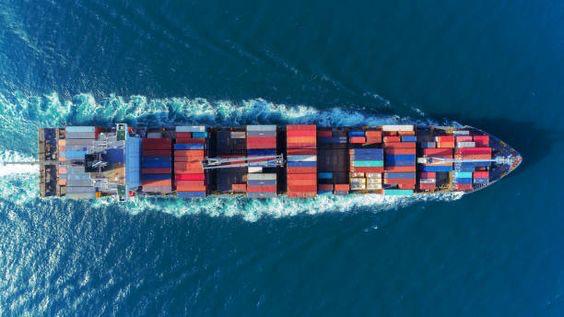
Steel’s heavy weight, sensitivity to moisture, and packaging requirements necessitate careful planning and reliable transport routes. Delays or damage can cause significant financial and reputational losses.
Opportunities in Global Steel Trade
✅ Rising Global Demand in Developing Countries
Countries investing in infrastructure, industrial, and energy projects are experiencing growing steel demand. This provides exporters with opportunities to expand market share by offering high-quality, competitively priced products.
✅ Product Diversity and Value Addition
Companies that offer processed steel products—such as coated sheets, industrial profiles, ready-to-install components, or alloy steels—can create higher value and secure a stronger position in specialized markets.
✅ Advances in Production Technology and Quality Control
Modern production technologies, such as induction furnaces, precise chemical composition control, and non-destructive testing, improve quality and reduce waste. These advantages are highly beneficial in sensitive markets like automotive and medical equipment.
✅ International Collaboration and Networking
Building long-term relationships with suppliers, clients, and international logistics companies facilitates trade, reduces costs, and increases trust. Companies active in this area can secure stability through long-term contracts.
✅ Specialized Consultation and Market Research
Companies that conduct detailed target market analysis, competitor research, customer needs assessment, and product adaptation to local standards have a higher chance of success. Expert consulting in export, customs, transportation, and international marketing can streamline steel trade operations.
Conclusion
Global steel trade combines significant growth opportunities with complex challenges. Companies that approach the market with long-term vision, specialized knowledge, operational flexibility, and commitment to quality can secure a strong position and capture a notable share of the global market. In this journey, leveraging integrated commercial, logistics, and expert consulting services—as offered by Foulad Sanat Manyar—can make a decisive difference.